
Breed Health
Great Dane Health Issues
As one of the tallest breeds, the Great Dane carries several serious health considerations tied directly to its giant size.
Common Hereditary Conditions
Gastric Dilatation-Volvulus (Bloat)
A life-threatening emergency in which the stomach fills with gas and twists; deep-chested giant breeds face among the highest risk of any dogs, and immediate veterinary care is critical.
Dilated Cardiomyopathy
A serious heart muscle disease notably common in the breed; regular cardiac screening can detect it before symptoms appear.
Hip Dysplasia
A joint malformation common in giant, fast-growing breeds; screening breeding parents lowers the odds in puppies.
Wobbler Syndrome
A spinal cord compression condition affecting the neck, more common in large and giant breeds; can cause an unsteady gait and sometimes requires surgery.
Preventive Care
Feeding smaller, more frequent meals rather than one large one, along with using a slow-feed bowl, meaningfully reduces bloat risk. Some owners opt for a preventive surgical procedure called gastropexy to reduce bloat risk further, worth discussing with a vet. Regular cardiac screening and controlled growth during puppyhood — avoiding overfeeding — support long-term joint and heart health.
Did You Know?
Great Danes and other giant, deep-chested breeds are advised against vigorous exercise for at least an hour before and after meals, a simple habit that meaningfully lowers bloat risk.
Great Dane Gifts
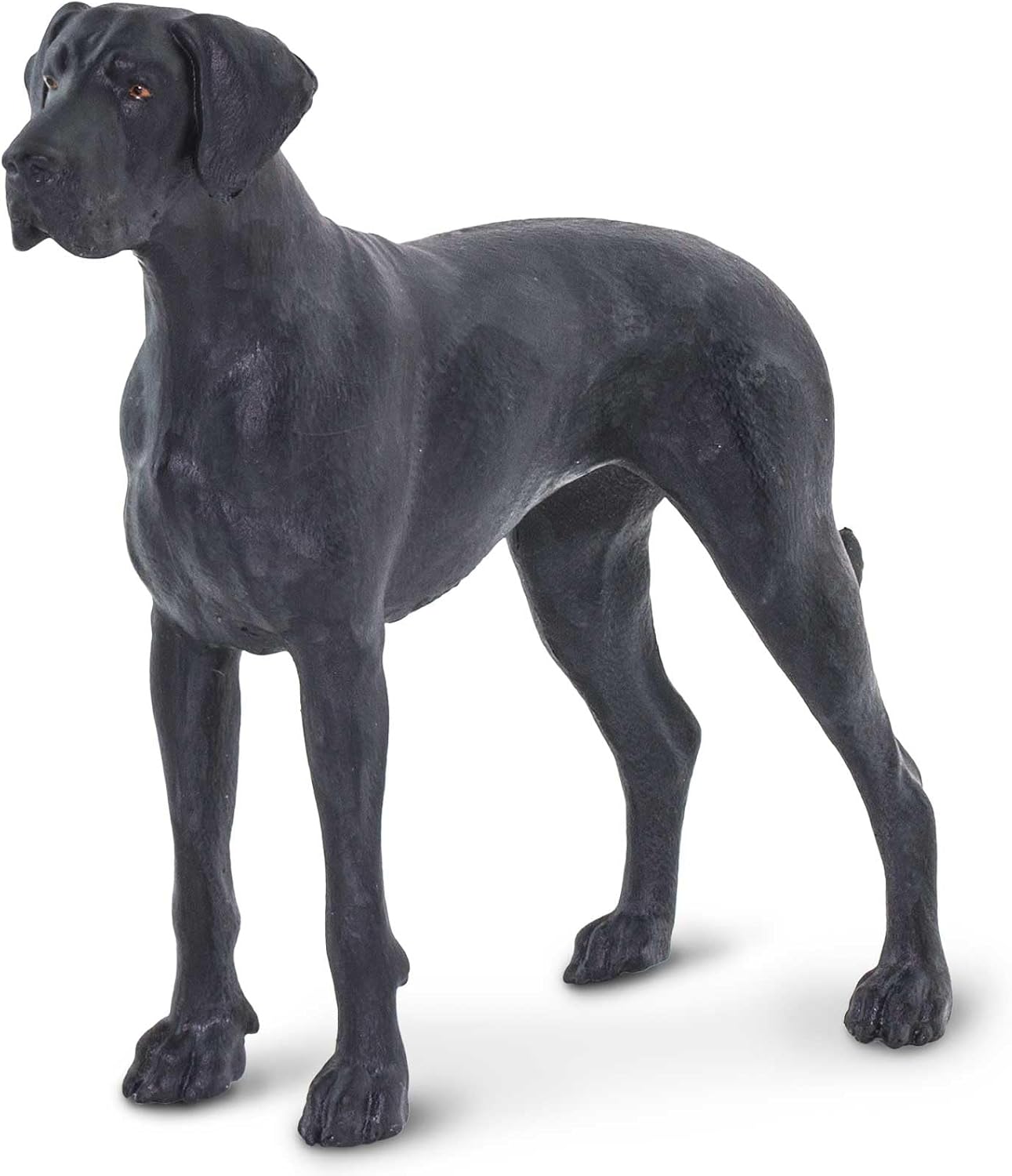

Copyright © 2005–2026 Dog Pound. All rights reserved.