Breed Health
Greyhound Health Issues
A generally healthy breed, though its sighthound physiology brings a few specific considerations worth knowing, especially for adopted retired racers.
Common Hereditary Conditions
Anesthesia Sensitivity
Like other sighthounds, Greyhounds have very low body fat, which affects how anesthesia drugs metabolize — always confirm a vet has sighthound experience before any procedure.
Gastric Dilatation-Volvulus (Bloat)
A life-threatening emergency common in deep-chested breeds; smaller, more frequent meals can help reduce risk.
Dental Disease
Retired racing Greyhounds in particular often arrive with significant dental buildup from a racing-kennel diet; a dental cleaning soon after adoption is common.
Corns (Paw Pad)
A painful, breed-specific paw pad condition seen almost exclusively in Greyhounds and a few related sighthounds; management varies from padding to surgical removal.
Preventive Care
Always flag the breed to a vet before any anesthesia or sedation, given its unique drug sensitivity. A dental exam soon after adopting a retired racer is a common and worthwhile first step. Feeding smaller meals and avoiding vigorous exercise right after eating both help lower bloat risk.
Did You Know?
Greyhounds have one of the lowest body-fat percentages of any dog breed, which is part of why they’re especially sensitive to cold weather despite their athletic build.
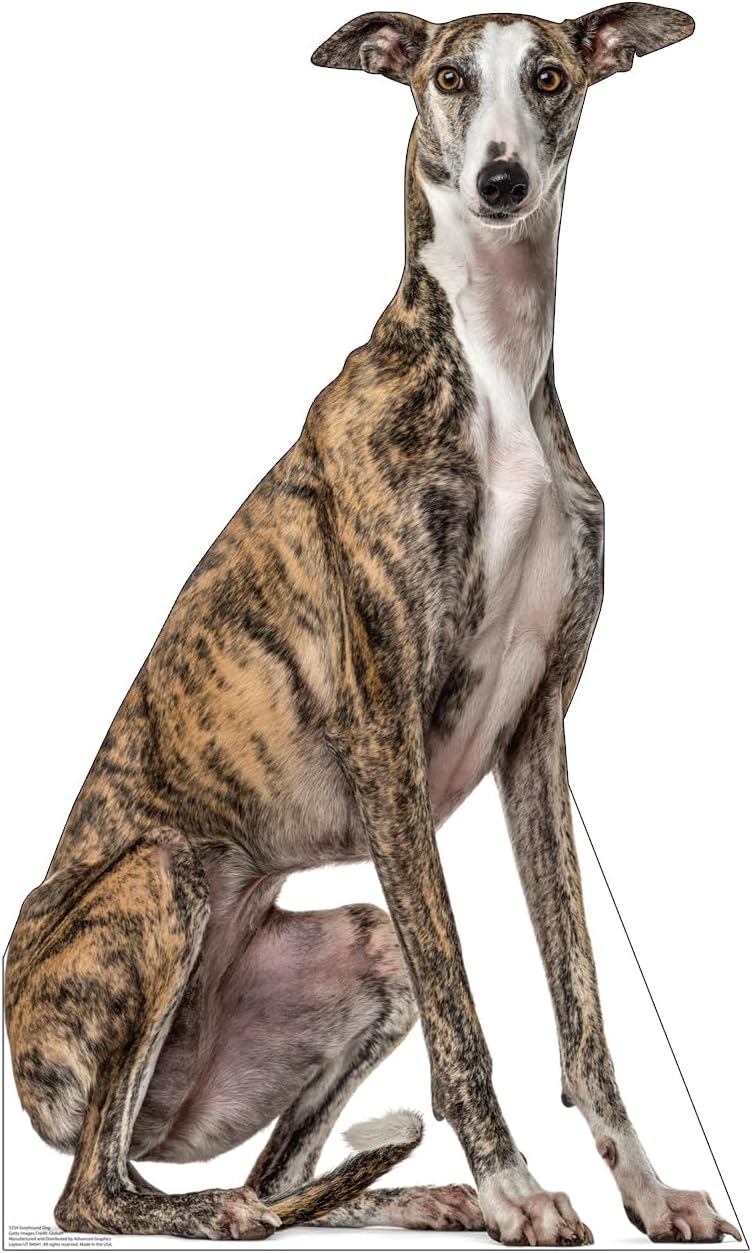
Greyhound Gifts
Copyright © 2005–2026 Dog Pound. All rights reserved.