
At a Glance
Group Classes
Good for basic obedience and socialization.
Private Sessions
Best for specific behavior issues or a tailored pace.
Board-and-Train
An intensive option; owner follow-through after is still essential.
Did You Know?
A trainer’s methods vary widely; asking to observe a class before enrolling is one of the best ways to judge fit before committing.
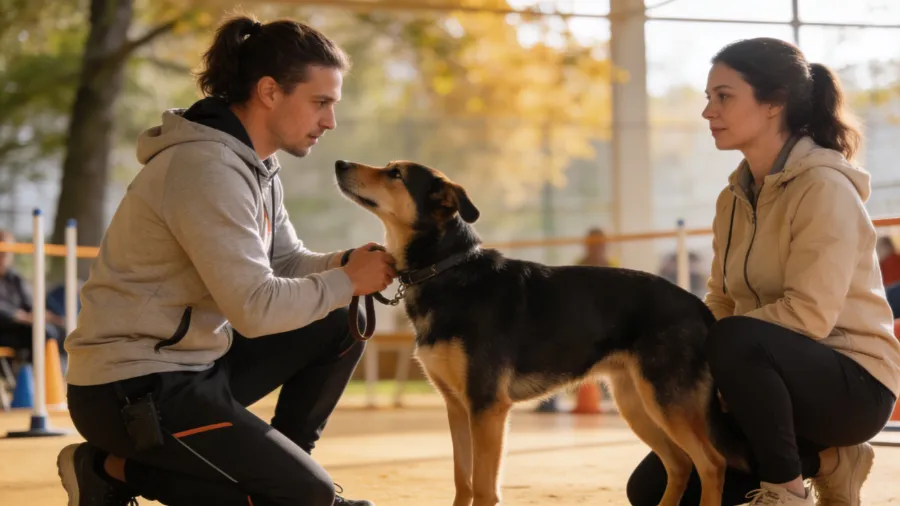
A professional trainer brings experience with hundreds of dogs and a trained eye for subtleties an owner may not catch — valuable when progress on your own has stalled.
When to Consider a Professional
Persistent issues — reactivity, resource guarding, severe separation anxiety — often benefit from a trainer’s structured approach, especially when an owner’s own efforts have plateaued.
What Good Training Looks Like
Reputable trainers rely on positive reinforcement as the foundation of their method and can explain clearly why they use a given technique — vague answers or exclusively fear-based methods are red flags.
The Owner’s Role Doesn’t End
Even the best professional training only sticks if the owner continues reinforcing it at home — a dog trained flawlessly by someone else can backslide quickly without consistent follow-through.
Dog Gifts



Copyright © 2005–2026 Dog Pound. All rights reserved.