Working & Service Dogs
Search and Rescue Dog Training
Training a search and rescue dog takes years, not weeks — building a working partnership between handler and dog that can perform reliably under real disaster conditions.
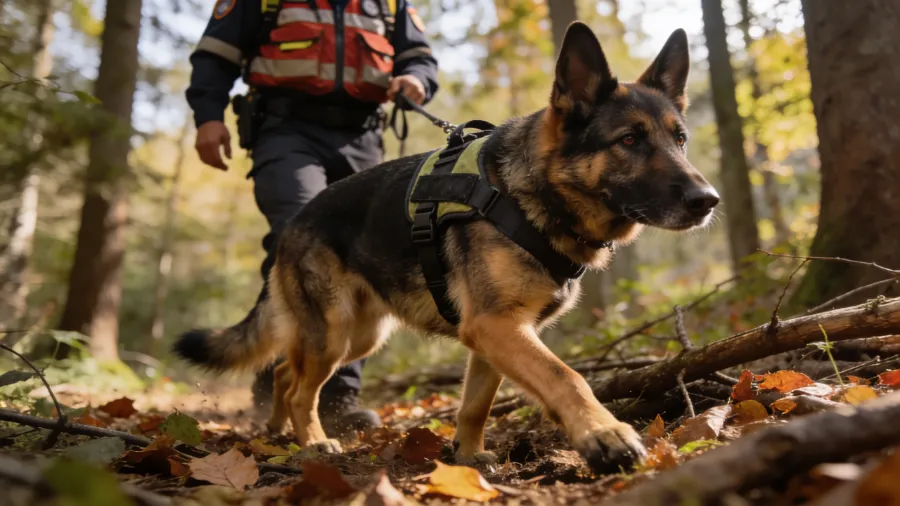
Air-Scent vs. Trailing
Search and rescue dogs generally train in one of two disciplines. Air-scent dogs work off-lead, sweeping an area for any human scent carried on the wind — well suited to wilderness and disaster search. Trailing dogs work on a scent article from a specific missing person, following their unique scent trail on lead. Most working dogs specialize in one discipline rather than both.
Foundation Obedience Comes First
Before any scent work begins, a candidate dog must have rock-solid obedience and agility over unstable terrain — rubble piles, collapsed structures, and confined spaces. A dog that can’t reliably recall or navigate obstacles under distraction isn’t ready to search.
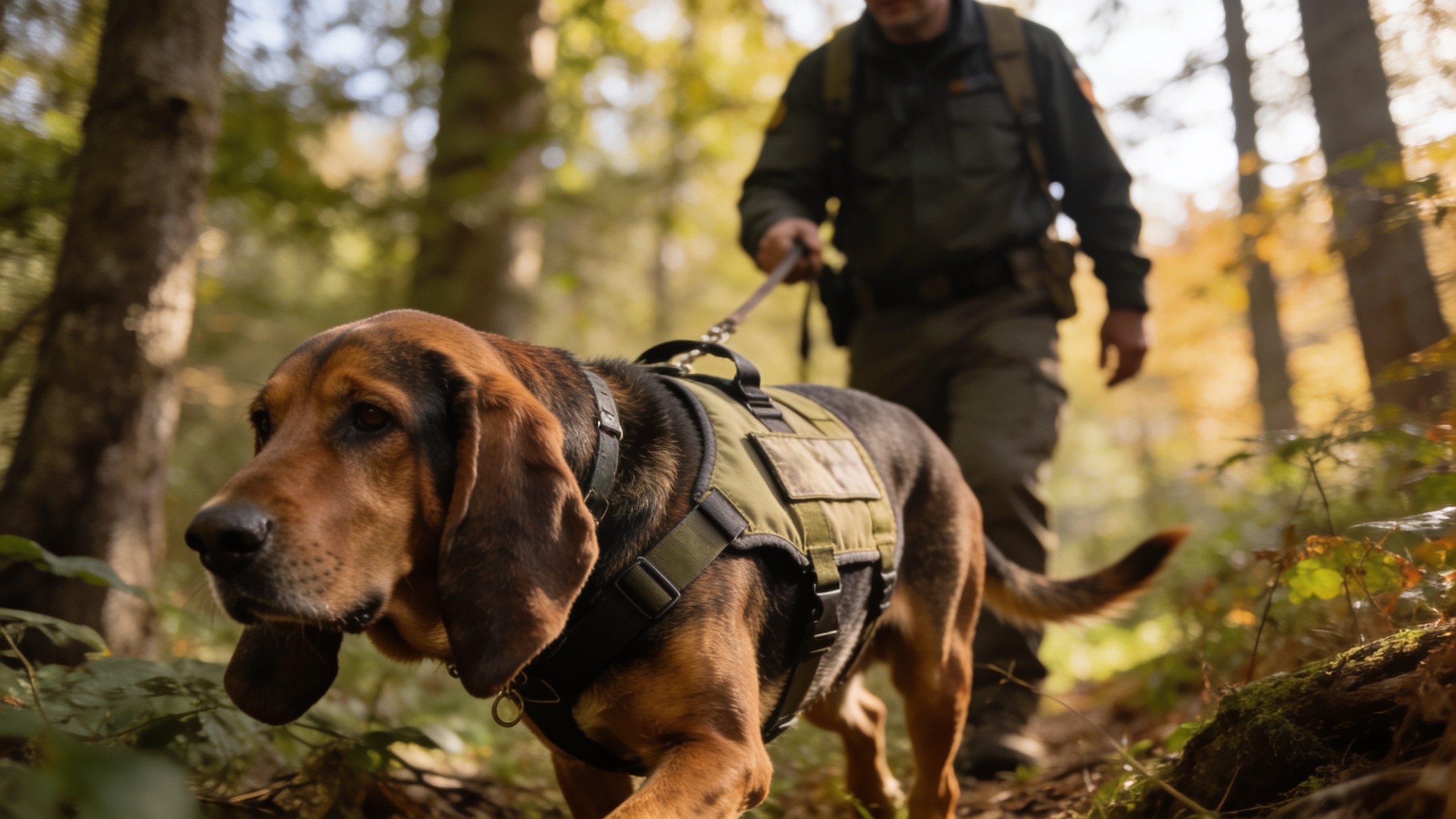
The Alert Is Everything
A trained SAR dog needs a clear, consistent "alert" behavior — a bark, a sit, or a return-and-refind — to communicate a find to its handler. This behavior is drilled relentlessly in training, since a missed or ambiguous alert in the field can cost critical time.
Certification and Ongoing Training
Most SAR teams require certification through organizations that test a dog-handler team’s scent work, obedience, and agility under realistic conditions. Certification is only the beginning — active SAR teams train weekly for the life of the dog’s working career to keep skills sharp.
Did You Know?
Search and rescue dogs can detect a live human scent from over a quarter mile away under favorable wind conditions, and can search an area many times faster than a comparable team of human searchers.
Related Reading
Dog Gifts

Copyright © 2005–2026 Dog Pound. All rights reserved.