
Selecting a Dog
Choosing Your New Puppy
A new puppy is a decade-long commitment, not a weekend impulse. A little research before you bring one home pays off for years afterward.
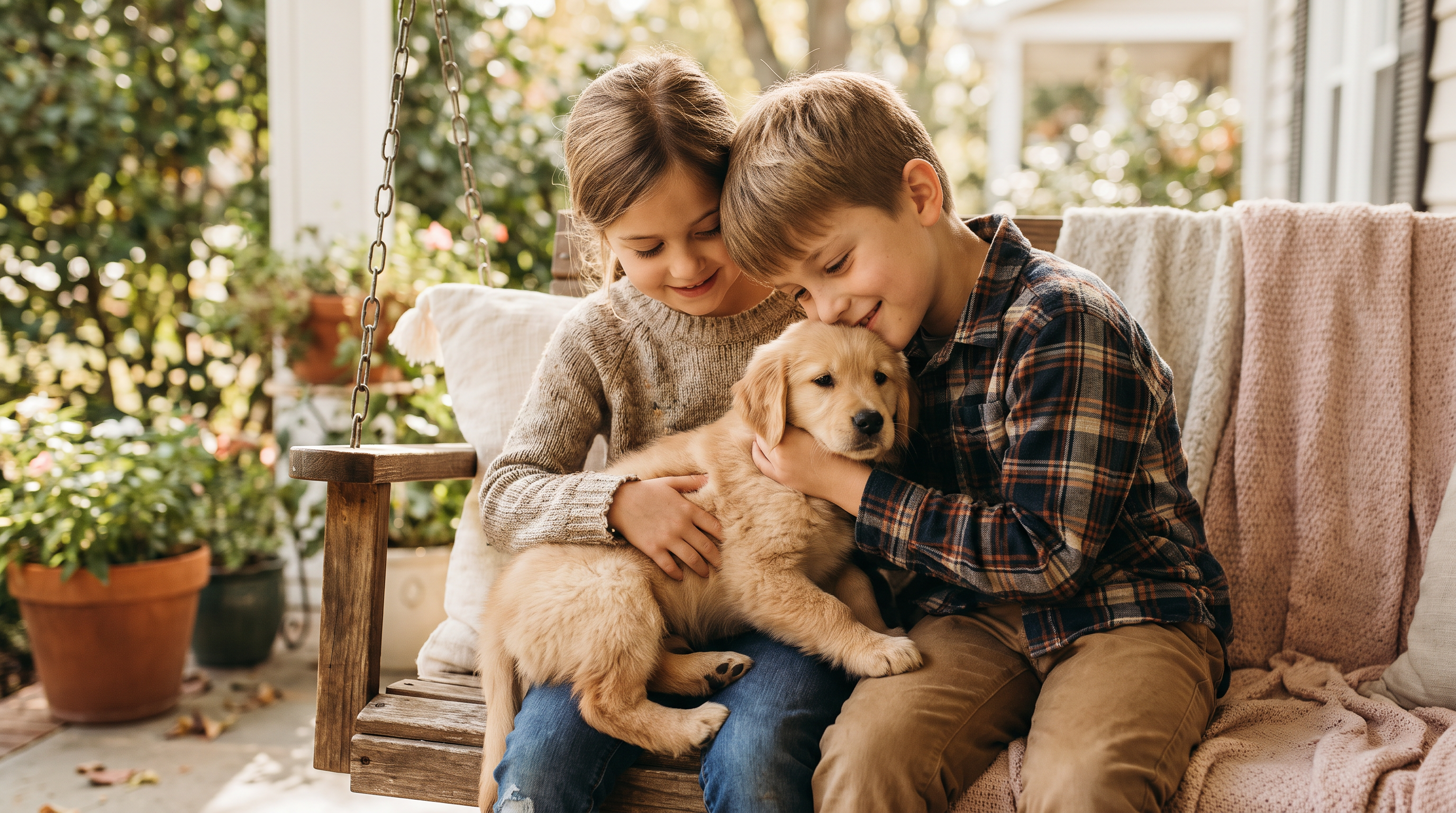
Know the Breed Before You Fall for the Face
Every breed carries its own temperament, exercise needs, and grooming demands — traits that matter far more once the puppy stage ends. Before choosing, read the breed’s full profile in the Registry, and be honest about your household: young children, a small apartment, or a quiet schedule all favor different breeds. A dog you can't keep up with in its first year rarely gets easier in its fifth.
Puppy-Proof the First Night
The first night away from litter and mother is the most stressful of a puppy's young life. A warm, enclosed bed, a soft toy to curl up against, and a quiet room go a long way toward easing that transition. Keep the space free of anything a curious puppy could chew or swallow — cords, small objects, and toxic plants chief among them.
The First 12 to 16 Weeks Matter Most
This window is the most important period of learning in a dog’s life. Consistent, gentle training established now — house rules, basic commands, a predictable routine — pays dividends for the rest of the dog’s life. Progress will be gradual; patience and regularity matter far more than any single training session.
Socialize Early and Often
Once vaccinations allow it, safe exposure to other dogs and people helps a puppy grow into a confident, well-adjusted adult. Controlled introductions — a friend's calm dog, a quiet walk past new sights and sounds — teach a puppy that the world isn't something to fear.
Did You Know?
A puppy’s brain is fully developed by around eight weeks of age, but the behaviors it learns in the following weeks shape its temperament for life.
Dog Gifts

Copyright © 2005–2026 Dog Pound. All rights reserved.